Navigating Adoption: A Journey of Faith, Identity, and Redemption
There are moments when I think about adoption and wonder if it would be better to pause it altogether—at least until we learn how to do it well. I know that may sound extreme, but it comes from a place of lived experience and deep reflection, shaped by the layered and often conflicting emotions many adoptees carry: grief, displacement, identity loss, and the ache of being wanted, but not always fully understood.
When I say that, it isn’t theoretical. It comes from knowing what it feels like to be adopted into a home where I didn’t always feel fully seen for who I was or understood for what I needed. I know what it’s like to have your story reshaped, your pain minimized, and even your name changed, as if that alone could redefine who you are, all in the name of “rescue.” That’s why part of me wrestles with the idea of halting adoption altogether—because I’ve seen the damage that can happen when systems prioritize appearances over actual care. At the same time, I know that isn’t true for everyone, which is what makes this conversation so complex.
For a long time, I found myself asking, Where did I go wrong? I carried that question for years before realizing it might not have been about me at all, but about being placed in a family that didn’t fully understand how to love me in the ways I needed. At the same time, I recognize that not every adoptee shares my experience. I’ve met people who grew up in homes filled with steady, unconditional love—families who honored their culture, made space for their grief, and stayed present through hard questions instead of shutting them down. Their stories don’t erase mine, just as mine doesn’t cancel theirs, which is why adoption has to be understood in its full complexity.
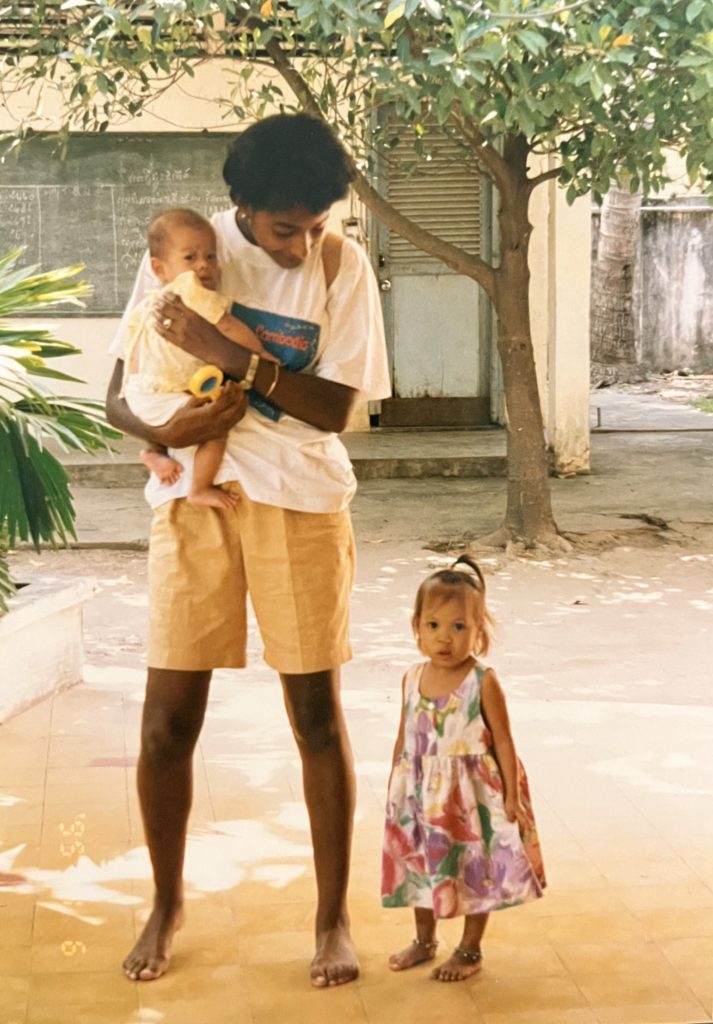
Adoption is complicated. It’s not all trauma, but it is never free of loss, and even in the most beautiful stories, something has still been given up. That reality is why we have to hold space for all of it—the good, the hard, and everything in between—rather than reducing adoption to a single narrative that only tells part of the truth.
That tension is exactly why we need to look deeper. Too often, adoption is celebrated as a success the moment a child is placed, without asking whether that home is truly equipped to meet their emotional, cultural, or developmental needs. Placement cannot be the finish line. In many ways, it’s only the beginning. For the adoptee, that’s often when the real work begins—grief, identity questions, and trauma that don’t disappear just because a child now has a home. If anything, those realities can surface even more clearly over time, and when families aren’t prepared to walk through that with their child, the weight can quietly fall back onto the child alone.
There were moments growing up that shaped how I understood my place within my own family. I remember being told, at one point, that if certain programs had existed when I was younger, there may have been consideration of finding a different environment for me—one that was believed to better meet my needs. Even though it was never acted on, the idea itself stayed with me, shaping how I understood belonging and whether my place in a family was truly secure. I remained in the same home until I was seventeen, but there were moments that made it difficult to feel fully settled in that belonging.
As I got older, I began to reflect more on the dynamics within my adoptive family and to see that adoption, in practice, can sometimes become more complex than the intention behind it. What begins with good intentions can still be shaped by expectations, limitations, and misunderstandings, especially when trauma and attachment aren’t fully understood or addressed.
Like many adoptees, I didn’t always respond perfectly. I struggled at times, made mistakes, and found myself trying to navigate identity, belonging, and acceptance all at once. Those moments, however, were part of a larger story—they were not the entirety of who I was. What was difficult was the sense that those struggles defined how I was seen, and at times, it felt like it was easier to step back from the relationship than to step deeper into understanding it. That is something I’ve had to process over time—not just what happened, but how it shaped the way I saw myself.
In a recent counseling session, we talked about how early trauma shapes the way we move through the world. For people like me, that trauma began at the very beginning—being separated from my biological mother, passed between caregivers in an orphanage, and often overlooked simply because there weren’t enough adults to meet every need. Then came adoption and everything that followed: a new country, a new culture, new expectations, and the growing awareness that I was different—not just internally, but in ways others made sure I noticed.
The impact of that doesn’t always show up in obvious ways. Sometimes it’s the small moments—a friendship that fades, a conflict that lingers, or a simple sense of rejection—that trigger something deeper, leading me to question myself and wonder if I did something wrong or if I’m somehow too much or not enough. While those reactions might seem disproportionate on the surface, they are rooted in something real, connected to early experiences of disconnection that don’t simply disappear with time.
Everyone experiences insecurity, no matter how loving their upbringing is, but for those who have experienced early trauma, those feelings can run deeper and linger longer. They don’t just exist in the moment—they settle quietly in the background, shaping how you interpret relationships and how you see yourself over time.
That’s why love alone isn’t enough. A child needs someone who is willing to walk through the complex parts with them, not just celebrate the easy ones. They need caregivers who don’t withdraw when grief or anger surfaces, but who remain present and curious—someone who sees the story behind the reaction and doesn’t take it personally. Understanding a child who has experienced trauma requires recognizing that their behavior is not always about the present moment, but often connected to past experiences that shaped how they feel safe—or unsafe—in the world. What they need most is not perfection, but presence.
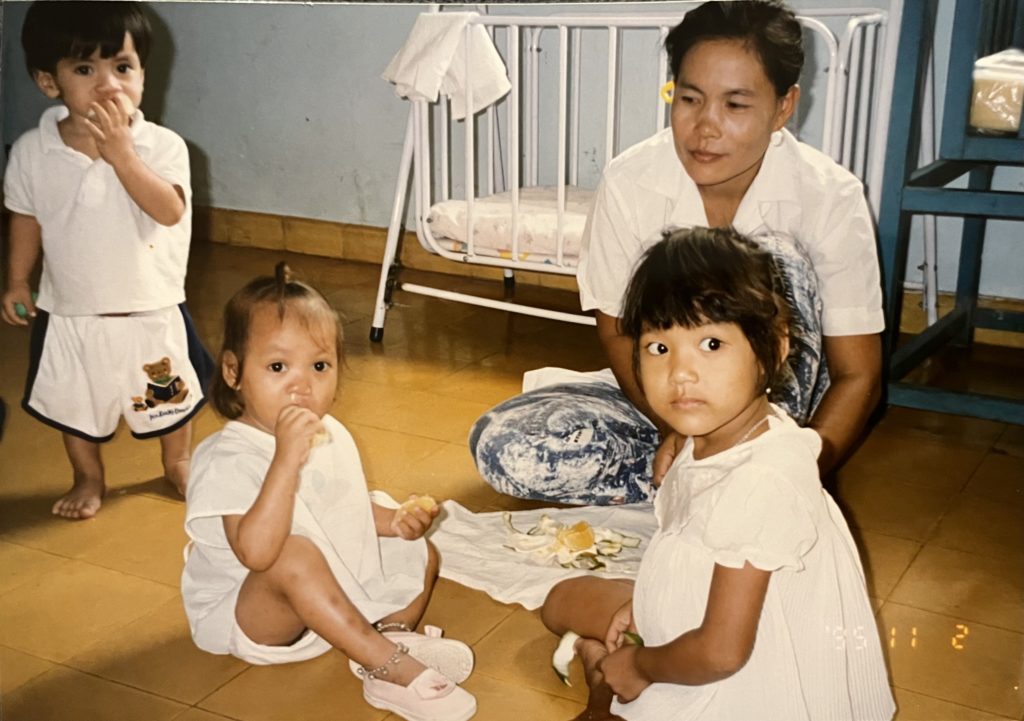
And that is where reform becomes essential—not just within families, but within the systems that support them. While there have been meaningful efforts to improve adoption practices, and that progress matters, policy alone cannot create emotional availability, humility, or the willingness to stay when things become difficult. Adoption, at its core, is about parenting—showing up consistently, building trust over time, and creating space for a child to process their story honestly.
If we truly want to support adoptees well, it requires more than good intentions—it requires intentional action. It means taking the time to understand trauma and attachment, creating environments where children feel safe and valued, and building trust through consistency and presence. It also means being willing to seek professional support when needed and recognizing that caregivers themselves need community, encouragement, and support as well.
Because at the end of the day, adoption isn’t just about providing a home—it’s about building a relationship that can hold both the beauty and the complexity of a child’s story.
While my earthly experience of adoption has been complex, it is not the place where my identity ultimately finds its foundation. Over time, I’ve come to understand that my belonging is not defined by how I was received or understood within my adoptive family, but by something deeper and unchanging. There was a time when I wrestled with what my story meant about me—whether I was too much, not enough, or somehow difficult to love—but as I’ve worked through that, my understanding has shifted.
While my earthly adoption is one chapter of my story, my identity isn’t confined to it. What has remained constant is the assurance that I am known, seen, and loved beyond the limitations of any human experience. Because of that, I can hold both realities at once—acknowledging the impact of my experiences while also recognizing that they do not define me.
At the same time, there are aspects of the system that still raise difficult questions. When adoption is presented in ways that feel overly simplified or transactional—especially in public spaces—it can unintentionally strip away the dignity of the children at the center of it. These moments are hard to ignore, and they highlight the need for greater care, thoughtfulness, and accountability in how we approach adoption.
While I don’t claim to have all the answers, I do believe that those involved in adoption—especially those who approach it from a place of faith—carry a responsibility to reflect compassion, humility, and respect in both word and action. At the end of the day, the goal should never be simply to place a child—it should be to ensure they are safe, supported, and truly seen.
That’s what they deserve.